Utilities
Apocalypse Rising 2 utilities guide: armour grades, plate carriers, backpacks, medical items, night vision, GPS and the weight trade-offs behind them.
Introduction
Survival in Apocalypse Rising 2 is not only about the rifle in your hands. The utilities you carry decide whether you can hold a position, slip through a town unheard, or simply make it back to a safe spot with your loot. This page covers the functional gear layer of the game: armour grades from civilian to NATO, plate carriers, helmets, backpacks, medical supplies, night vision, GPS, radio, and the tools that keep a run alive. Because weight and stamina interact with every item, the choices here are trade-offs, not simple upgrades. Readers will find how each utility slot works, where the best pieces tend to spawn, what to prioritise on a run, and which mistakes most often turn a promising raid into a loss.
Utility Gear at a Glance
| Utility | Grades | Core Function | Typical Loot Areas |
|---|---|---|---|
| Plate Carrier | Civilian, Surplus, NATO | Chest protection and carry capacity | Police stations, barracks, military checkpoints |
| Helmet | Civilian, Surplus, NATO | Head protection | Homes, police stations, airfields |
| Backpack | Small, Medium, Large | Inventory space | Homes, schools, military sites |
| Medical Items | Bandages, blood bags | Stop bleeding, restore health | Hospitals, clinics, checkpoints |
| Night Vision | Standard | Visibility in darkness | Military areas, rare loot rooms |
| GPS and Radio | Standard | Navigation and communication | Homes, military sites, utility spawns |
Utility Slots
Plate Carrier
Chest protection that defines your movement and carry style
Helmet
Head protection that can save you from a single fatal shot
Backpack
Inventory space that decides what you can bring home
Medical Items
Bandages and blood bags that keep a run from ending
Night Vision
Darkness becomes an advantage instead of a death sentence
GPS and Radio
Navigation and communication tools for coordinated survivors
Core Mechanics
Utilities occupy dedicated slots and interact with the weight system. A heavier plate carrier or a full backpack slows movement and drains stamina faster, so a player loaded with NATO armour and a large pack may survive a single ambush but struggle to escape a horde. Medical items work in two layers: bandages stop bleeding quickly, while blood bags restore health over a short window and leave you vulnerable if used at the wrong moment. Night vision changes how you approach darkness but does not remove the need for sound discipline. GPS and radio are force multipliers in a group, letting a team coordinate loot routes or call out Infected movements. Tools such as lockpicks or repair items matter mainly in specific locations, but carrying them costs weight that could go to ammo or food.
Advantages
The right utilities turn an average spawn into a sustainable run. A Surplus plate carrier offers a strong middle ground between Civilian weight and NATO protection, while a good backpack lets you carry extra bandages, food, and an alternate weapon without becoming over-encumbered. Medical preparation is the most immediate advantage: players who carry multiple bandages and at least one blood bag can recover from fights that would otherwise end a run. Night vision gives a decisive edge after dark, especially near military sites where other players hesitate to move. GPS and radio reward coordinated play, letting a squad split loot routes and regroup before a firefight. In Apocalypse Rising 2, utility choices often matter more than the difference between two rifles of the same class.
Challenges
The biggest mistake is overloading. A NATO plate carrier, large backpack, and multiple weapons can leave you too slow to escape a horde pulled by gunfire. Players also overvalue helmets, expecting them to negate headshot damage when they only reduce it. Medical items are often wasted: using a blood bag mid-fight is a common way to die, and hoarding bandages without using them early lets bleeding finish the job. Night vision can create overconfidence, since its glow is visible to other players at close range. GPS and radio are useful only if the team actually communicates; solo players carrying them instead of food or ammo lose flexibility. Finally, looting utilities from contested military areas without a plan often costs more than the gear is worth.
Frequently Asked Questions
Which armour grade is best for a solo run?+
Should I always carry a blood bag?+
Does night vision make me harder to see?+
How much should I carry before weight becomes a problem?+
Quick Tips
Loot medical buildings before anything else, even if you already have a weapon. Bandages and blood bags are light, universally useful, and often left behind by players who rush straight for gun stores. A single clinic run can give you enough medical supplies to survive three separate encounters, and that durability matters more than a slightly better rifle when the Infected start closing in.
When you find a NATO plate carrier, do not immediately equip it if you are far from your objective. The weight penalty will slow your travel and burn stamina, making you an easier target. Carry it in your backpack until you reach the military site or firefight where the extra protection actually matters, then swap it on before you push.
Use bandages the moment you start bleeding, not after the fight. Bleeding continues to drain health while you reposition or return fire, and many players die because they waited too long. Bandages are common enough to replace, and using one early keeps your health pool intact for the next hit. A dead survivor cannot use the bandages they were saving.
Featured
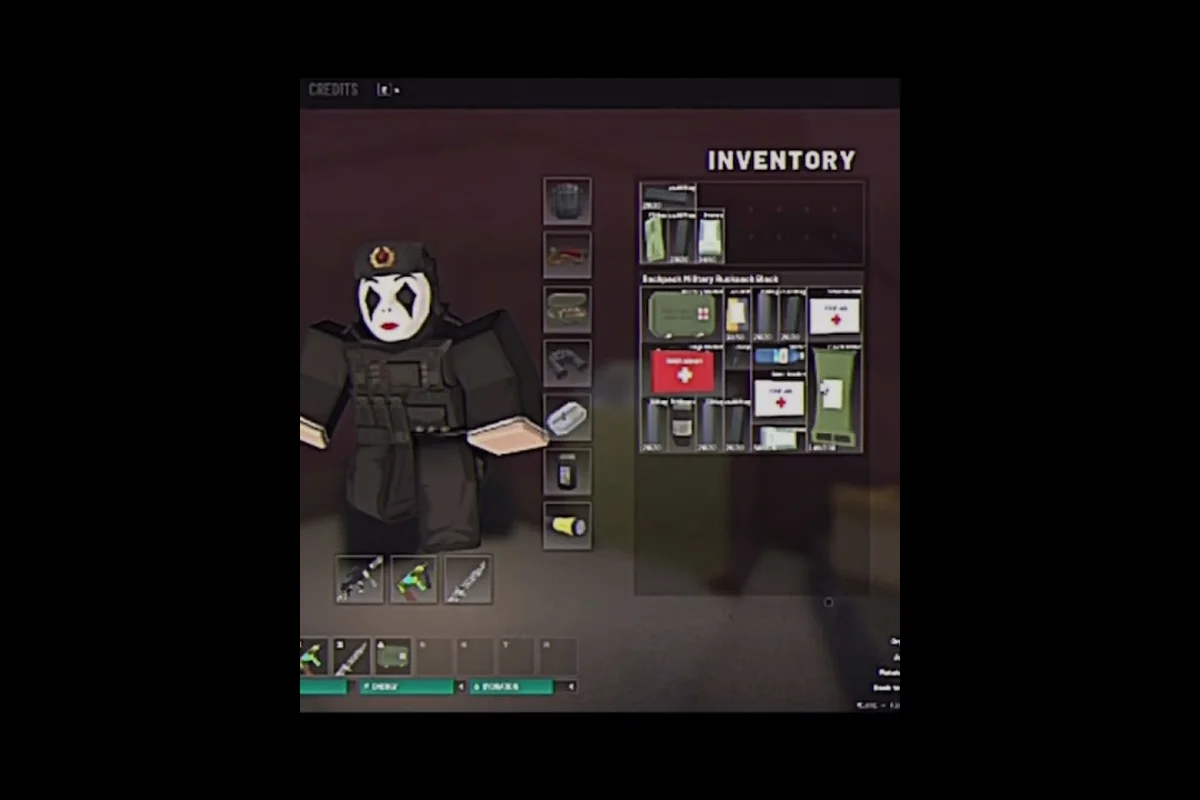
Apocalypse Rising 2 Bandage Guide: Heal and Use Tools
Understand the apocalypse rising 2 bandage guide with healing basics, night vision spawns, and radio usage so you can recover and communicate mid-raid.
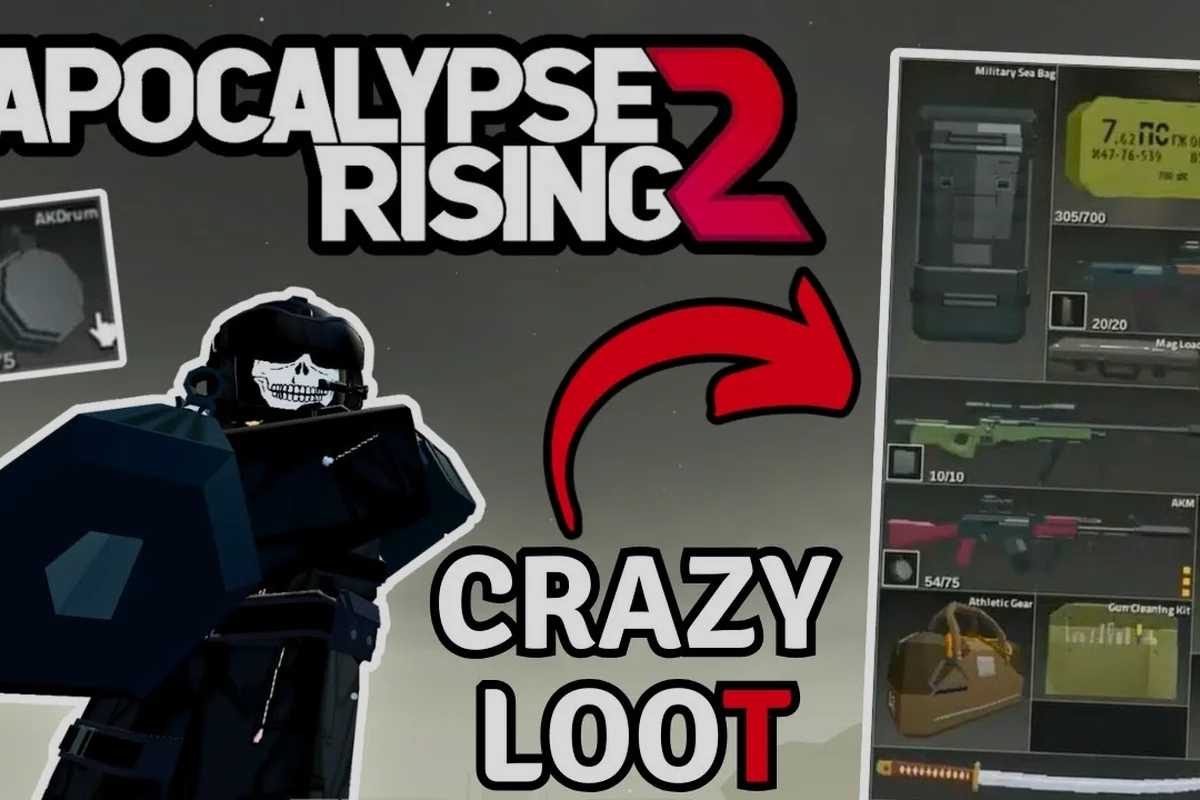
Apocalypse Rising 2 Gear Guide: NATO, Surplus, Civilian
Learn the apocalypse rising 2 gear guide that sorts NATO, surplus, and civilian armor into clear tiers so you stop wearing weak protection into PvP.
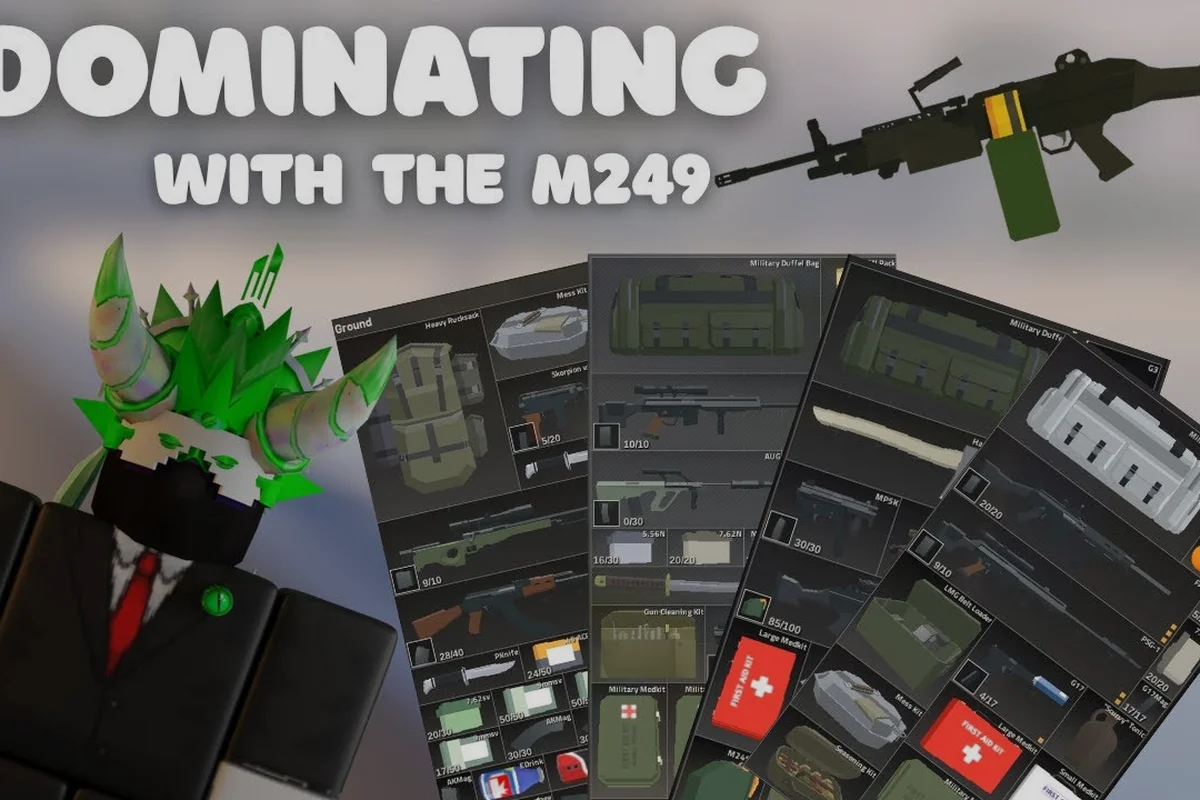
Apocalypse Rising 2 How to Trade: Safe Item Swaps
Learn apocalypse rising 2 how to trade with safe swap methods, weight system limits, and what to carry so you never lose your best gear to a scam.
All Articles
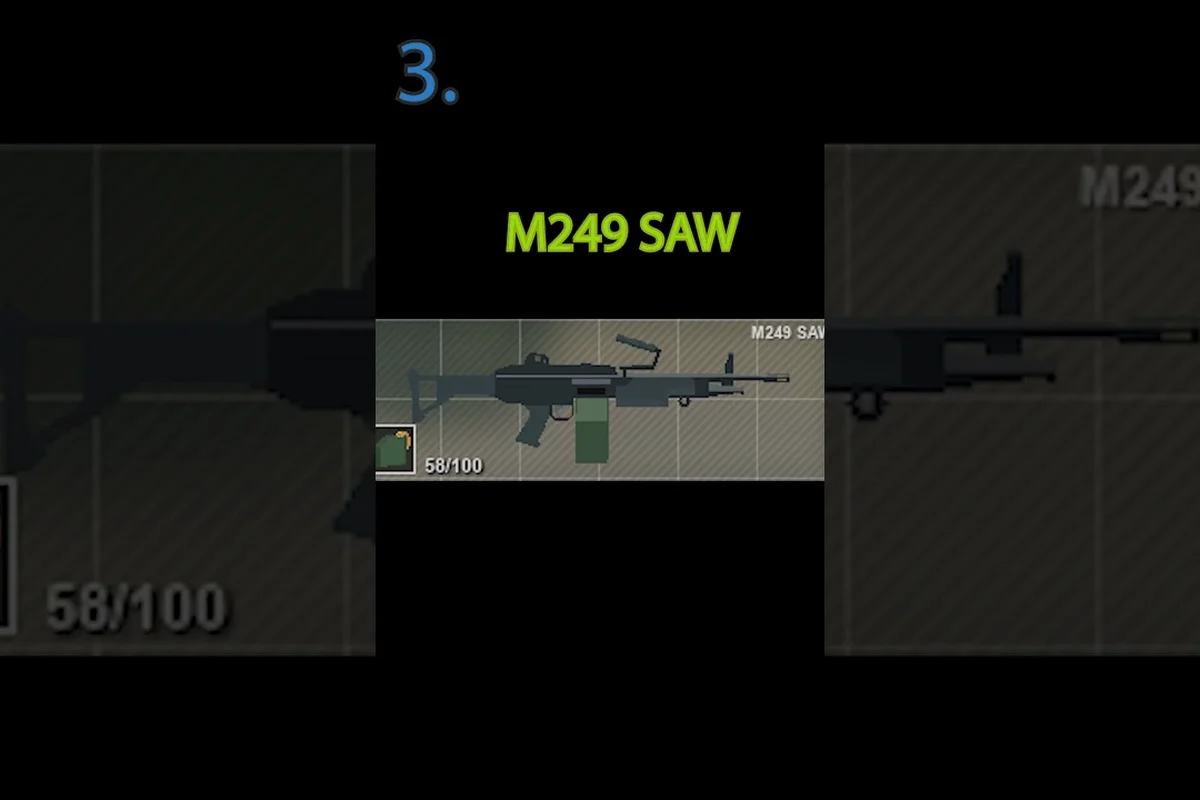
Apocalypse Rising 2 Plate Carrier: Armor and Helmet Tiers
Compare the apocalypse rising 2 plate carrier with helmets and backpacks to build the best protection setup, including where to find medical items fast.
Apocalypse Rising 2 Quick NATO Gear Guide: GPS, Radio
Use this apocalypse rising 2 quick nato gear guide to grab GPS, radio, and flashlight utilities fast, then decide which tools belong in your loadout.
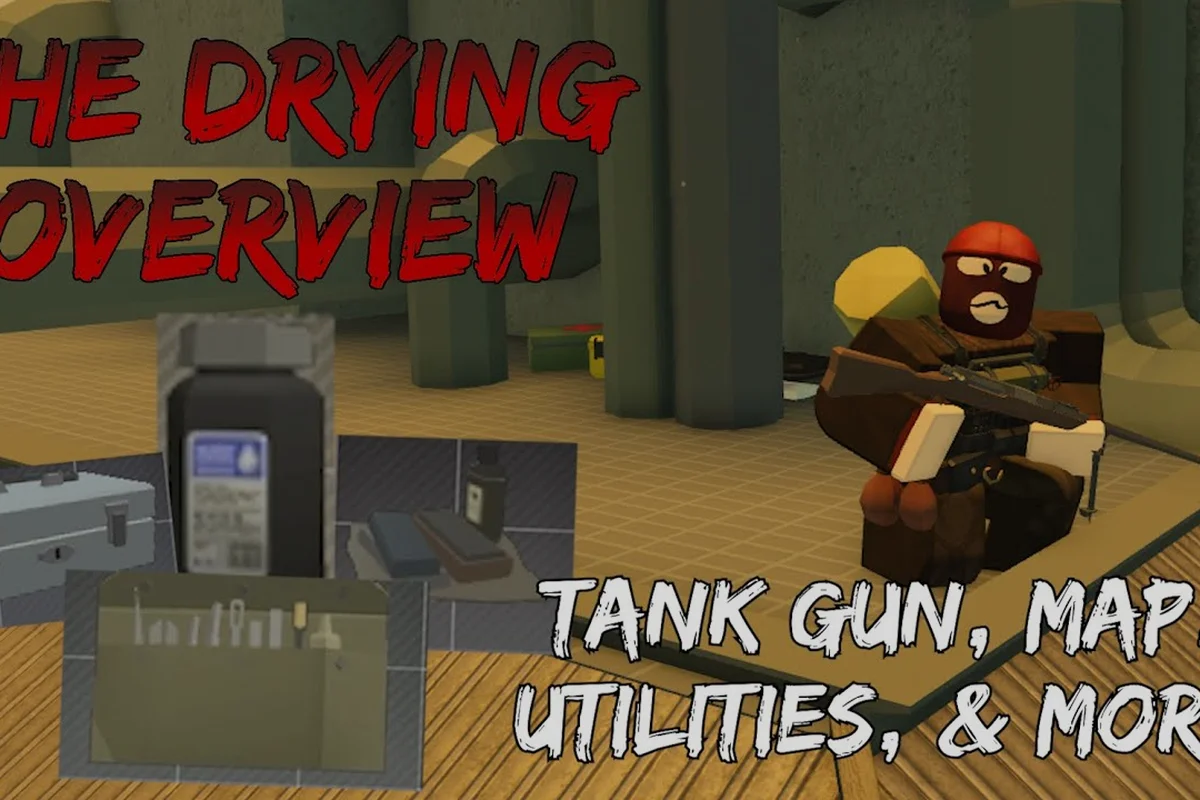
Apocalypse Rising 2 Utility Guide: Every Item Explained
Master the apocalypse rising 2 utility guide covering every tool, where each one spawns, and which utilities actually save your life in a firefight.
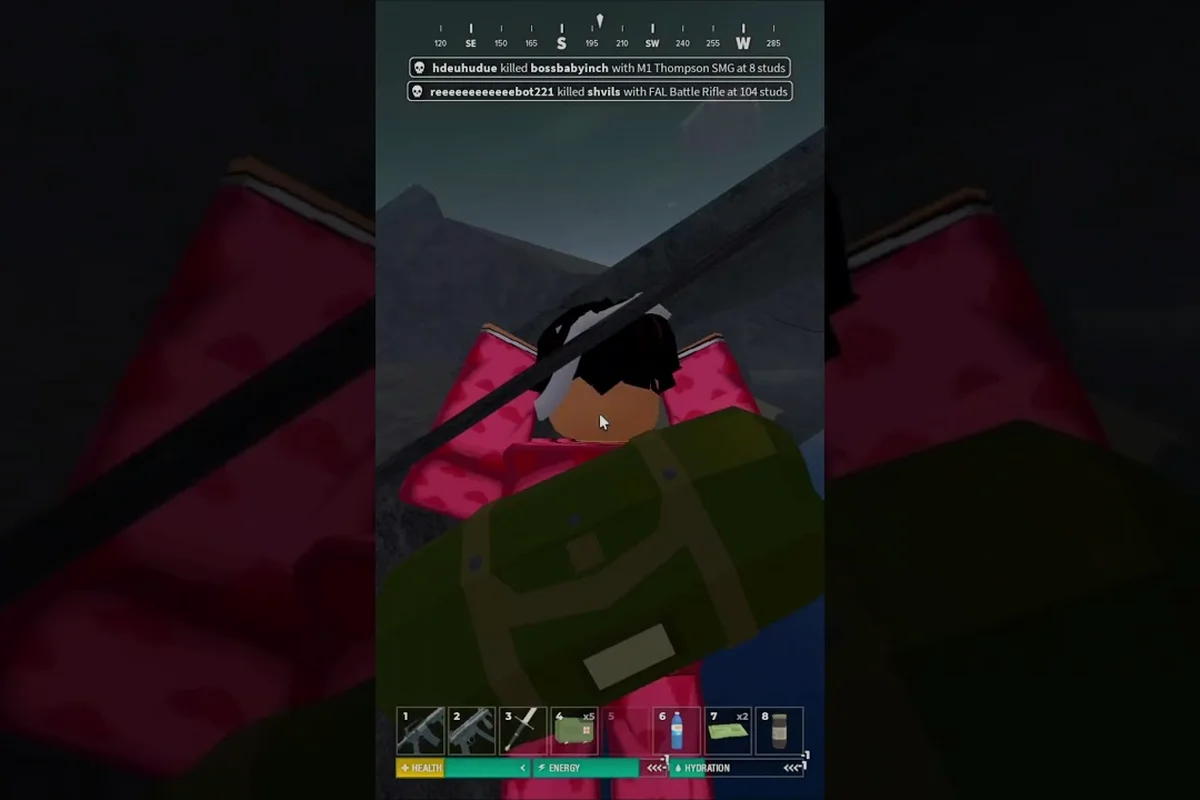
Apocalypse Rising 2 Best Utility Item: Overpowered Picks
Rank the apocalypse rising 2 best utility item options with inventory space math, drop mechanics, and the most overpowered tools worth carrying.